 Facebook
 Instagram
 Twitter
 Linkedin

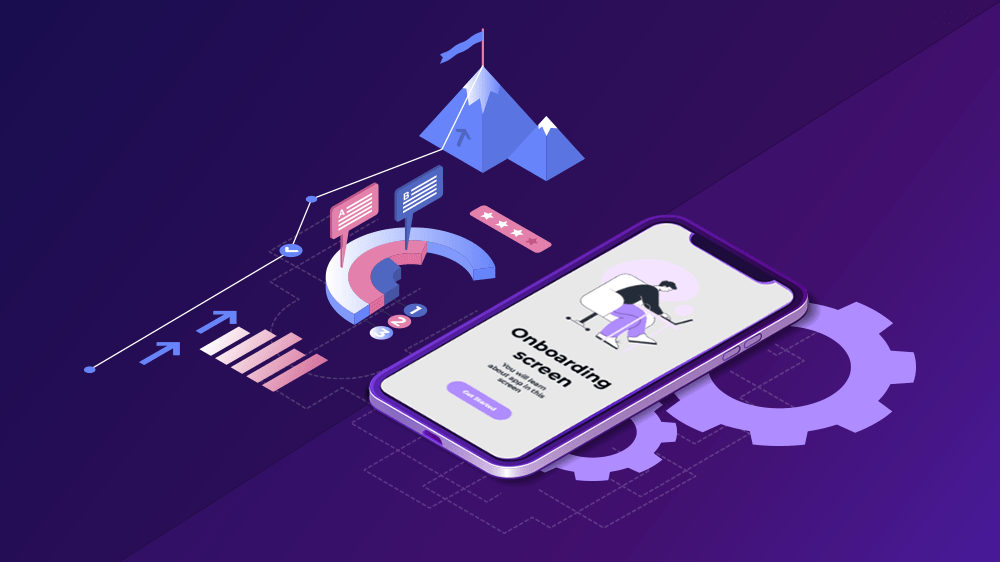
Smooth onboarding is as important as app development itself. The user onboarding experience often determines the success or failure of an app.
According to Onfido, most apps lose up to 75% of users within 3–4 days of installation, and the number can reach 90% within a month. These stats highlight the critical importance of effective onboarding. Without it, your app may fail to meet its goals.
If you want to improve user retention, follow these 8 strategies to enhance your app’s onboarding process.
What is User Onboarding?
User onboarding is a crucial checklist for app development that transforms new users from curious visitors to regular users. It introduces them to your app’s features, guides them through setup, and provides relevant information for a seamless start.
Why Smooth User Onboarding Matters
First impressions matter, especially in app onboarding. Users download apps with high expectations, and a poor onboarding experience can lead them to assume your product is subpar. Conversely, a well-designed onboarding builds trust, boosts engagement, and encourages long-term retention.
8 Tips to Improve Your App User Onboarding
- Easy Sign-Up Process
Up to 43% of users abandon apps at the sign-up stage due to lengthy or complicated forms. Make your sign-up simple, allow skipping optional steps, and enable login via social media to save users time and frustration.
- Keep it Precise and Appealing
Simple layouts and clear instructions are preferred by over 65% of mobile users (Forrester). Use concise UX copy, e.g., “Change your password every 30 days” instead of long-winded instructions. Every word counts in a limited space.
- Use a Tutorial Guide
Introduce your app’s features through guided tutorials with visuals, icons, and interactive elements. This helps users navigate the app efficiently and increases the chances of completing onboarding.
- Tailor the Experience
Personalize onboarding by collecting basic user data to customize themes, content, and app settings. Users appreciate an experience that caters to their specific needs.
- No Unnecessary Pop-Ups
Unwanted notifications immediately after sign-up can frustrate users. Only send relevant, essential pop-ups to maintain engagement and prevent app abandonment.
- Instant Feedback Notifications
Users make mistakes, especially during login or navigation. Provide instant feedback with clear instructions to resolve issues. This reduces frustration and keeps users engaged.
To Wrap Up
Effective app user onboarding is crucial for engagement and retention. Poor onboarding drives users away, while smooth, personalized onboarding encourages long-term loyalty. Implement these strategies to improve your app’s onboarding process and boost user retention.



 Case studies
 Career