 Facebook
 Instagram
 Twitter
 Linkedin

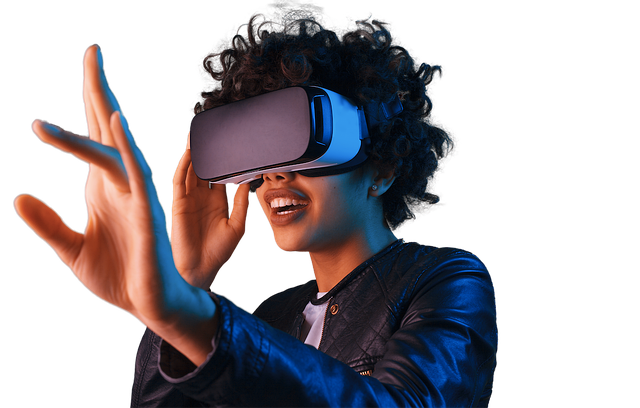
The Metaverse is set to transform learning, offering immersive experiences that can enhance education for humanity.
Over the past few decades, education has evolved significantly—from blackboards to projectors, and now online learning. Technology like pocket calculators and smartphones has already reshaped learning, but the potential for innovation is far from exhausted.
The Metaverse is now stepping in to revolutionize education, leveraging advanced technologies to create interactive and immersive learning environments.
Defining the Metaverse
The Metaverse combines augmented reality (AR), virtual reality (VR), and the internet to create digital spaces where users can experience things beyond the physical world. For example, with a VR headset, one could attend a concert, a historical event, or a virtual classroom from anywhere.
Metaverse technology is still evolving, but it has the potential to revolutionize sectors like medicine, engineering, and education. While some critics worry it may limit users to a virtual world, its benefits across multiple industries are undeniable.
How the Metaverse Can Transform Learning
Metaverse technology introduces creativity and practical experiences into education, overcoming limitations of traditional learning:
- Virtual Learning Spaces: 3D classrooms allow teachers and students to interact from anywhere, reducing the need for physical presence. This saves time, money, and energy while making learning more engaging.
- Eradicate Geographical Boundaries: Students can attend classes led by educators from across the globe, fostering cross-cultural interaction and equal access to quality education.
- Promotes Practical Learning: Complex concepts in subjects like chemistry or history can be experienced virtually. For example, students can visualize ionic bonding or explore the prehistoric world of dinosaurs.
- Improved Learning Patterns: Immersive virtual environments make learning enjoyable, helping students focus better and understand complex concepts faster.
- Virtual Experiments: Students can perform experiments in engineering, chemistry, or medicine without the constraints of physical labs. Medical students can perform virtual surgeries, while others can explore historical sites virtually.
- First-Hand Knowledge: Students can experience real-world scenarios such as climate change or historical events, making theoretical knowledge more relatable and impactful. Metaverse shows real scenarios on climate change.
Key Takeaways
The Metaverse has the potential to revolutionize education by:
- Replacing physical classrooms with 3D virtual spaces.
- Breaking down geographical barriers for students worldwide.
- Enabling practical and experimental learning experiences.
- Providing immersive, first-hand knowledge to enhance understanding.
In conclusion, the Metaverse is poised to transform education for the betterment of humanity, making learning more engaging, accessible, and effective.


 Case studies
 Career