 Facebook
 Instagram
 Twitter
 Linkedin

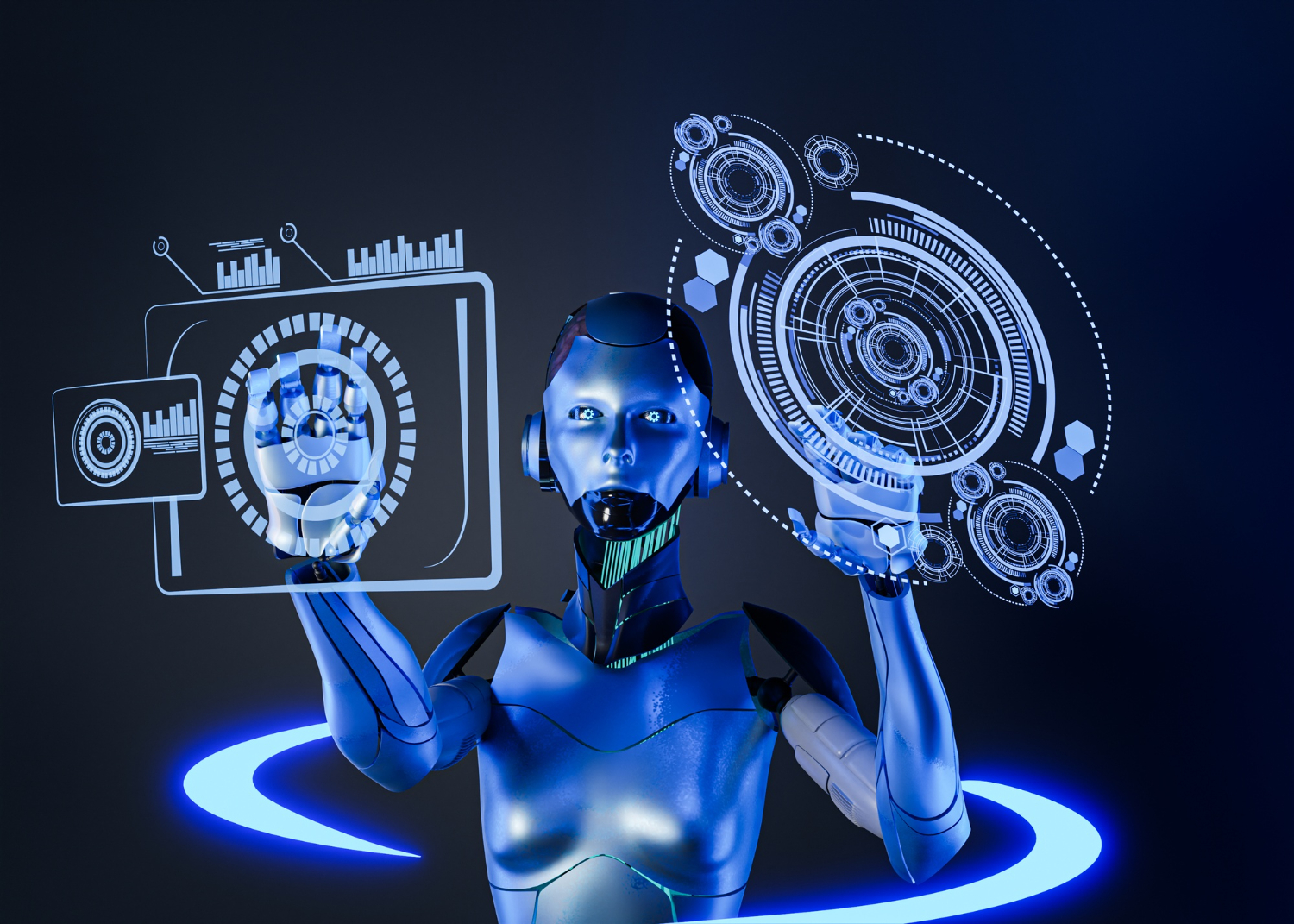
Artificial Intelligence (AI) and the Future of Programming
Artificial Intelligence (AI) is transforming industries across the board. From healthcare to transportation, its impact is undeniable—and programming is no exception. AI is gradually reshaping the way software is developed, tested, and maintained, paving the way for more efficient workflows and innovative breakthroughs.
But what does the future look like for AI and programming? Can AI take over tasks that are currently manual? Will programmers’ jobs be at risk? Or will AI simply enhance the work developers already do?
To answer these questions, we’ve prepared this in-depth article exploring the potential of AI in programming and how it may shape the future of software development.
The Evolution of AI in Programming
Programming has traditionally been a manual, time-consuming task. Coders spend hours writing and debugging code to build applications and websites. High-level languages like Python and Java have made coding more accessible, but developing complex systems still demands deep technical expertise.
Recently, AI technologies such as machine learning, natural language processing, and neural networks have begun assisting developers. AI can automate repetitive tasks, improve code quality, and make software development more efficient. Tools like GitHub Copilot, OpenAI Codex, and DeepCode demonstrate that AI can suggest code snippets, provide improvements, and even generate full functions based on a developer’s input.
AI’s Impact on Code Generation
One of AI’s most significant contributions to programming is automated code generation. By analyzing a developer’s intent, AI can generate code, reducing the need for repetitive manual work. This is particularly valuable for boilerplate tasks that are often tedious and error-prone.
Tools like GitHub Copilot offer code suggestions in real-time, helping developers write cleaner, context-aware code. Over time, these tools could evolve into comprehensive programming assistants capable of generating complex code segments with minimal human input.
Looking ahead, AI might even create entire applications from high-level descriptions. Developers could simply outline the app’s features, and AI could write, test, and deploy the code automatically—dramatically speeding up development and making programming more accessible to non-technical users.
Debugging and Error Detection
Debugging is a crucial but time-consuming aspect of development, especially for large codebases. AI has the potential to make this process more efficient by automatically detecting bugs, suggesting fixes, and even predicting where future issues may arise.
Machine learning algorithms can analyze historical software data to identify patterns indicative of errors. AI can then scan new code and flag potential problems before they become critical. Furthermore, AI can prioritize bugs based on severity, allowing developers to focus on the most important issues first.
Some AI-powered tools already fix certain bugs automatically. As these technologies advance, they could handle more complex debugging tasks, freeing developers to concentrate on creative problem-solving.
AI-Assisted Code Review and Optimization
Code review is essential for maintaining efficient, secure, and well-structured code. However, manual reviews are time-intensive and prone to oversight. AI can assist by analyzing code for performance bottlenecks, security vulnerabilities, and adherence to coding standards.
AI-driven code review tools can suggest optimizations, identify inefficient algorithms, recommend better data structures, and reduce overall complexity. They can also enforce best practices automatically. In the future, AI might conduct fully autonomous code reviews, enabling faster releases without compromising quality. Integration with continuous integration and deployment (CI/CD) pipelines could further streamline development.
AI in Testing and Quality Assurance
Testing is often considered a bottleneck in software development due to the time required to cover all scenarios. AI can revolutionize QA by automating large portions of the testing process, making it faster, more accurate, and efficient.
Machine learning algorithms can predict potential problem areas and generate test cases automatically. AI can simulate user behavior, run continuous tests, and detect edge cases that may be hard for human testers to identify. This ensures that software can handle a wide range of real-world scenarios.
Personalized Learning for Developers
AI can also enhance developer learning. Personalized AI-driven platforms can analyze a programmer’s skill level, pace, and preferences to recommend customized learning paths. Interactive coding exercises, tutorials, and real-time feedback help developers improve skills efficiently.
These platforms can adapt to each developer’s specific needs, keeping them up-to-date with the latest languages, frameworks, and tools relevant to their projects. This allows programmers to continuously advance without spending time on less relevant topics.
Will AI Replace Programmers?
A common concern is whether AI will replace human programmers. While AI can automate many aspects of coding, full replacement is unlikely. Instead, AI will serve as a powerful assistant, enhancing productivity and creativity.
By handling repetitive tasks like code generation, debugging, and testing, AI frees developers to focus on complex problem-solving, designing innovative solutions, and improving user experiences. Rather than replacing programmers, AI amplifies their capabilities, making them more effective.
Final Thoughts
The future of programming is closely tied to AI. From automating code generation and debugging to optimizing code and testing, AI will make development faster, more efficient, and more accessible.
While challenges remain, the potential benefits are enormous. AI is not here to replace human developers; it’s here to enhance their abilities, unlock new levels of creativity, and shape a more productive future in software development.



 Case studies
 Career